
I remember a moment in Cariri Olindense, a century-old block in the Guadalupe neighborhood. It was dawn, fitting for encounters with the invisible. I found Lu among the hills in a fervent crossing. There were no clear divisions between bodies and materials: skins, metals, iron, cans, sand, sweat. The frevo orchestra traversed everything, like a collective nervous system. The music passed through the ear and settled in the flesh.
– Ariana Nuala (Curator, Museu Afro Brasil)
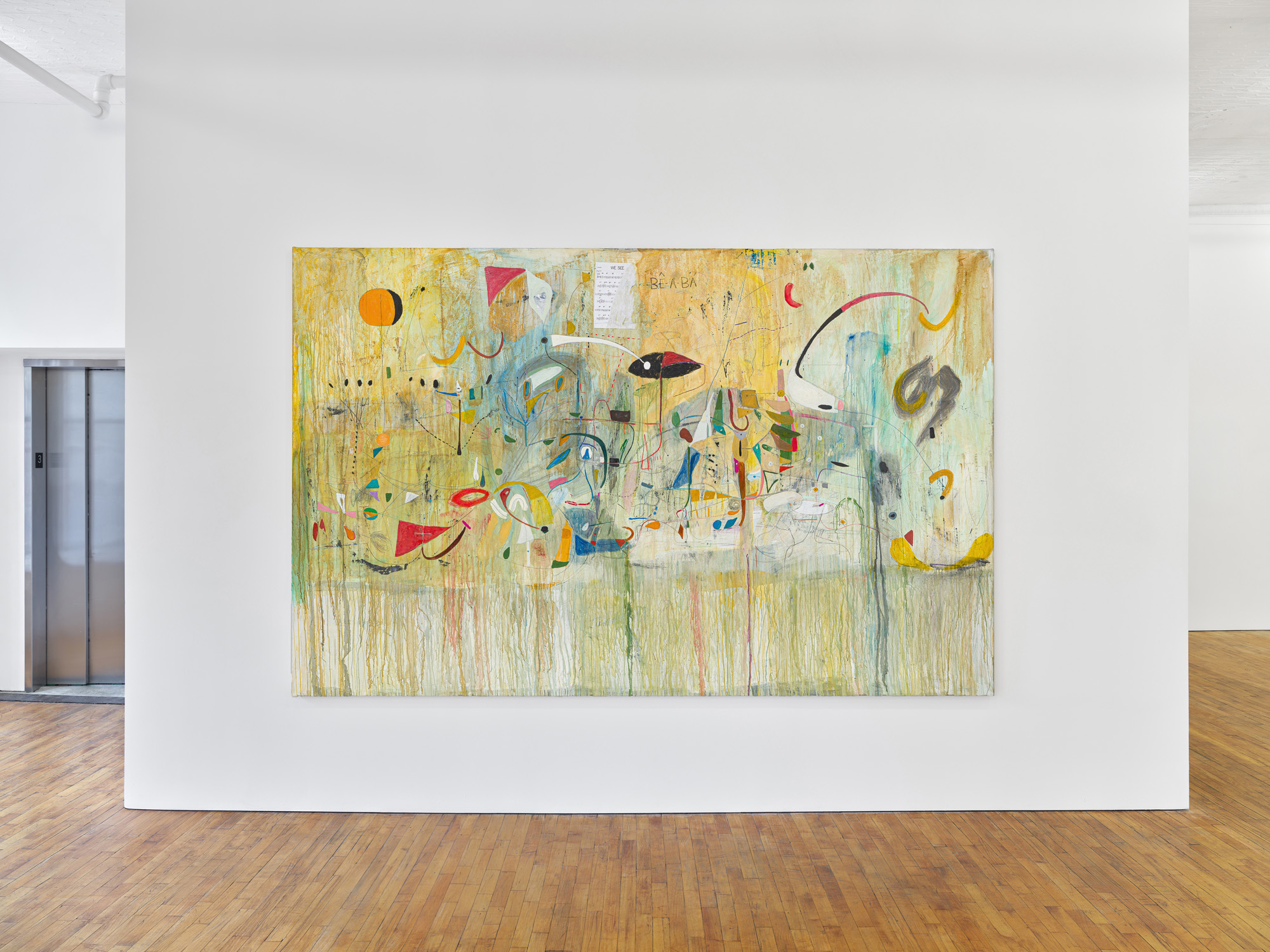
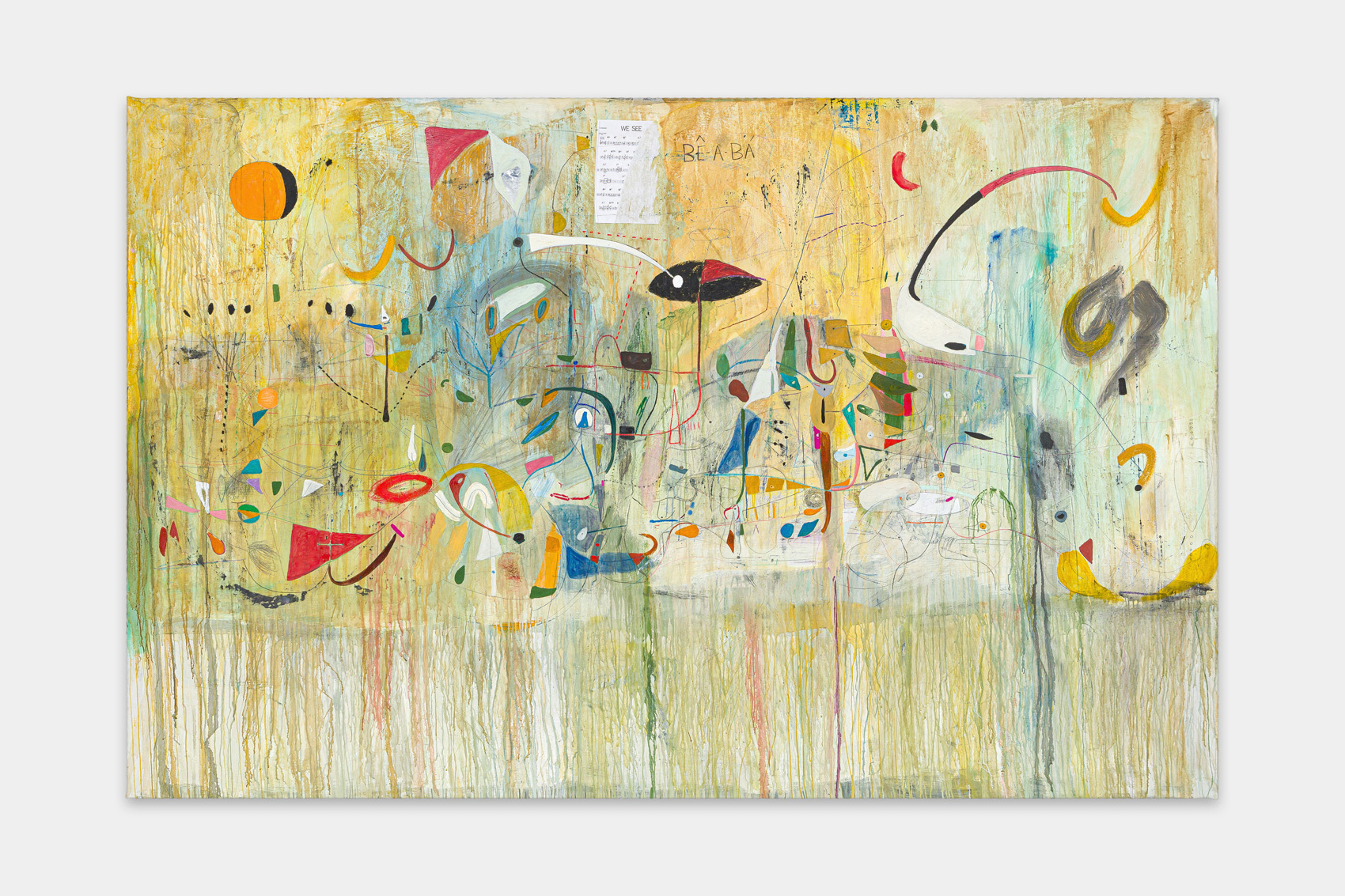
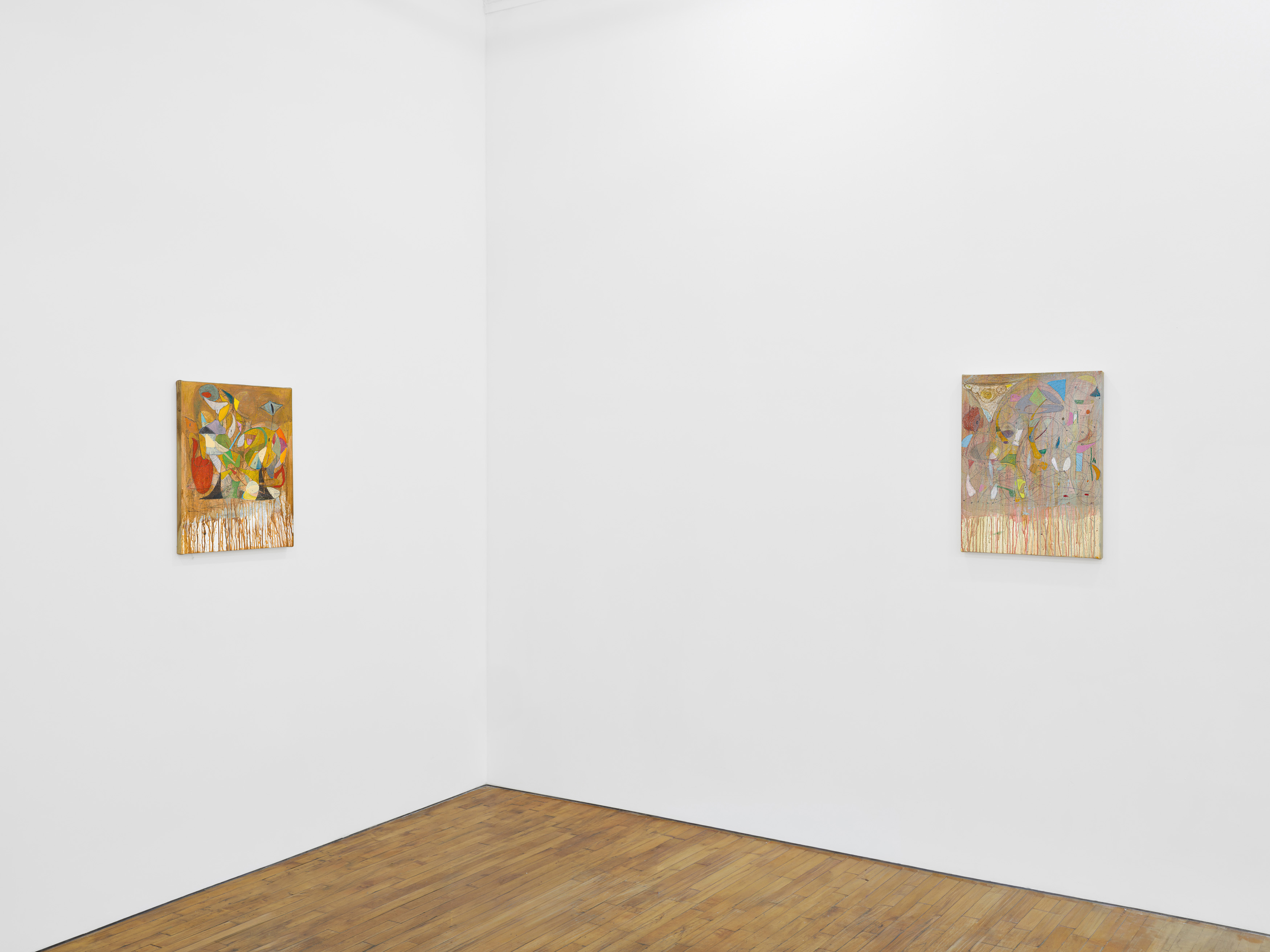
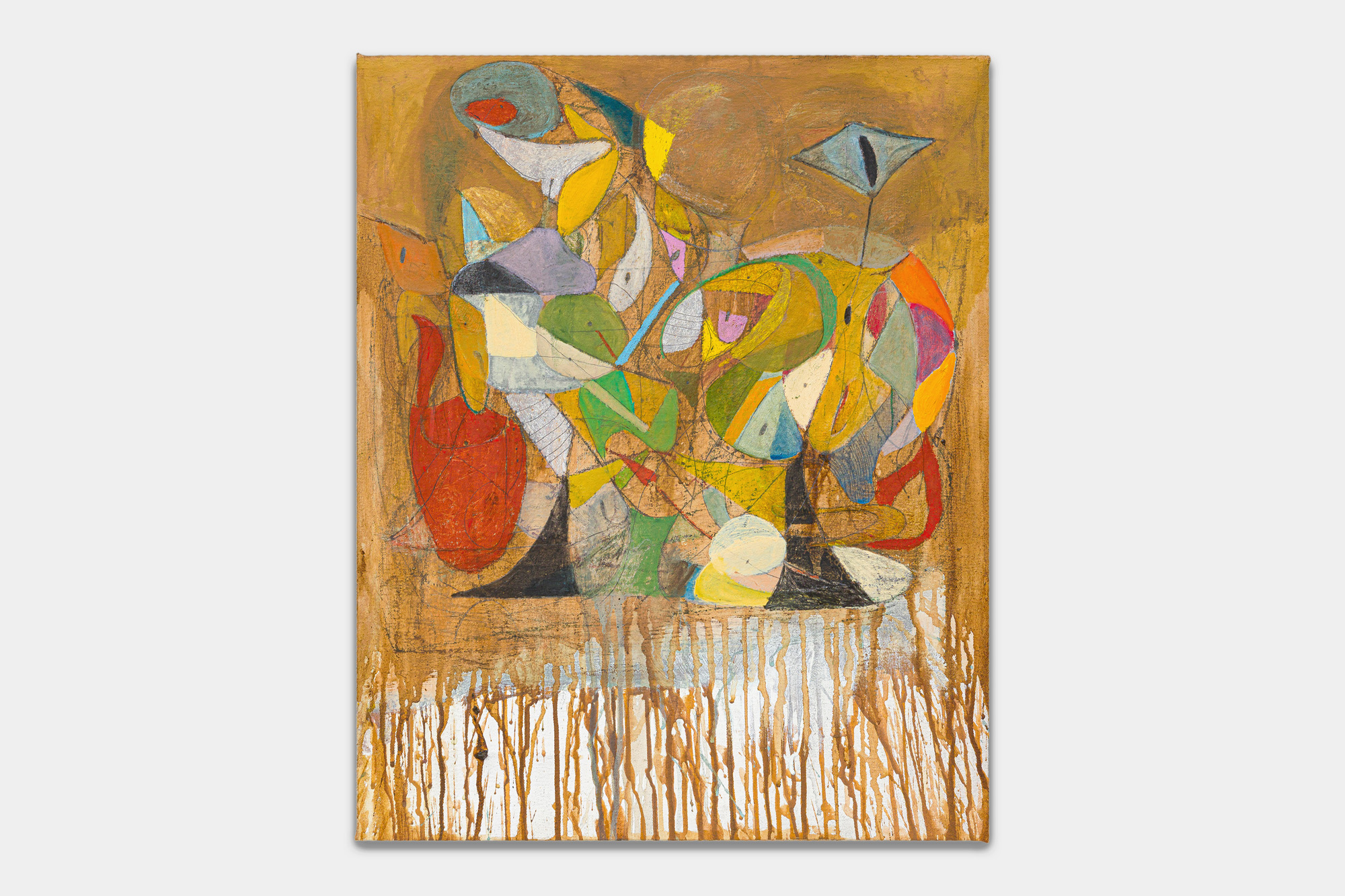
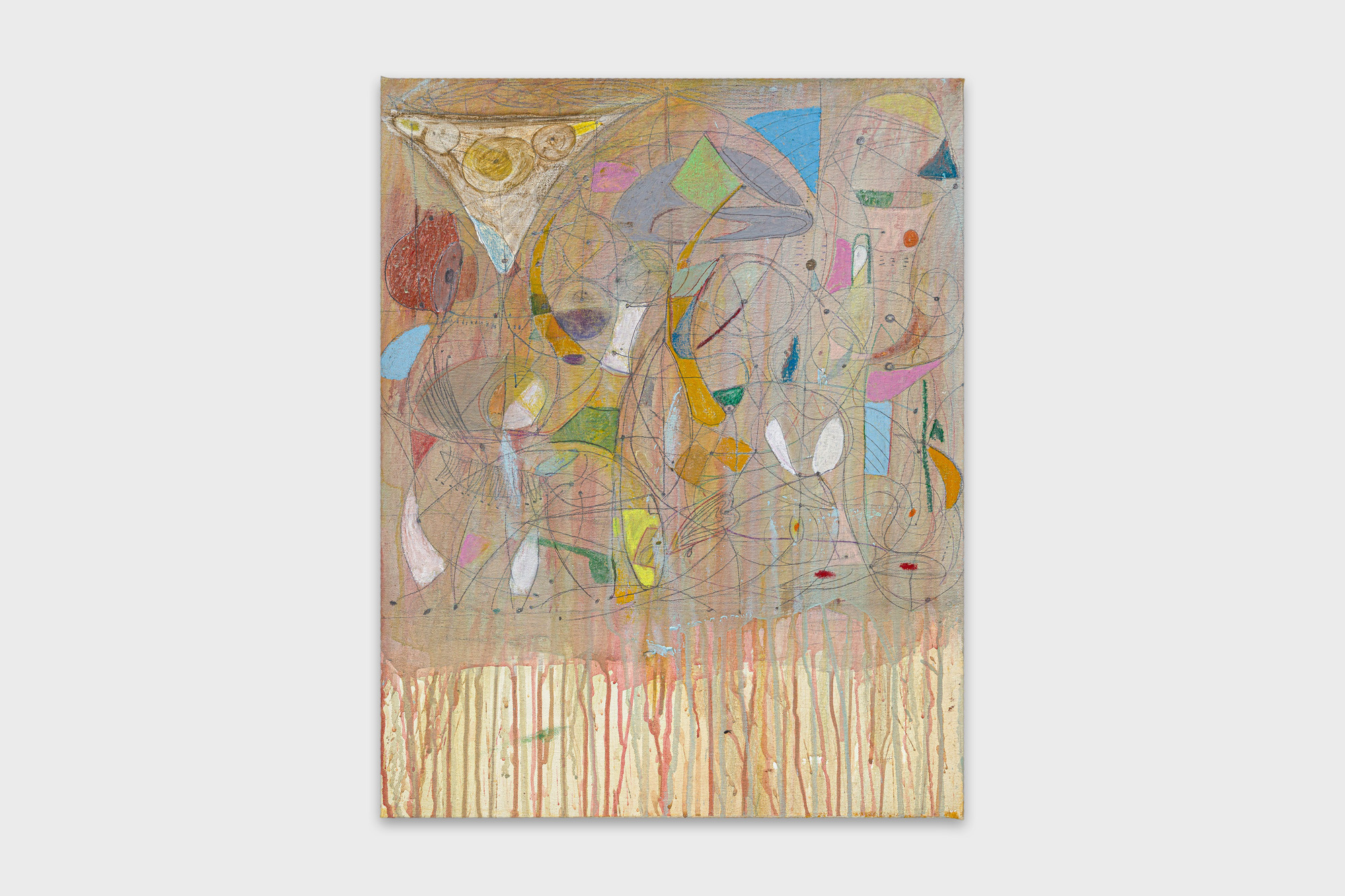
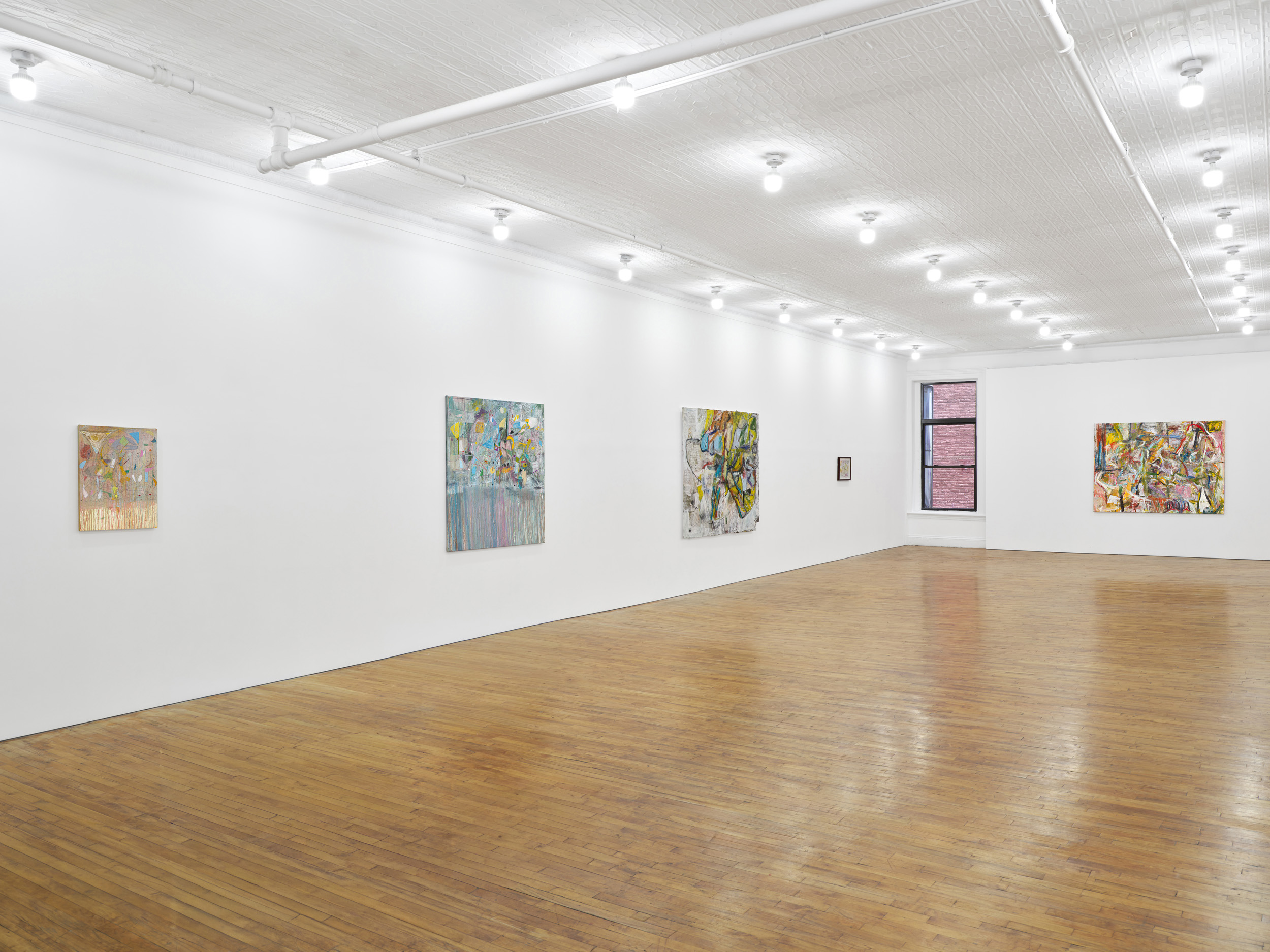
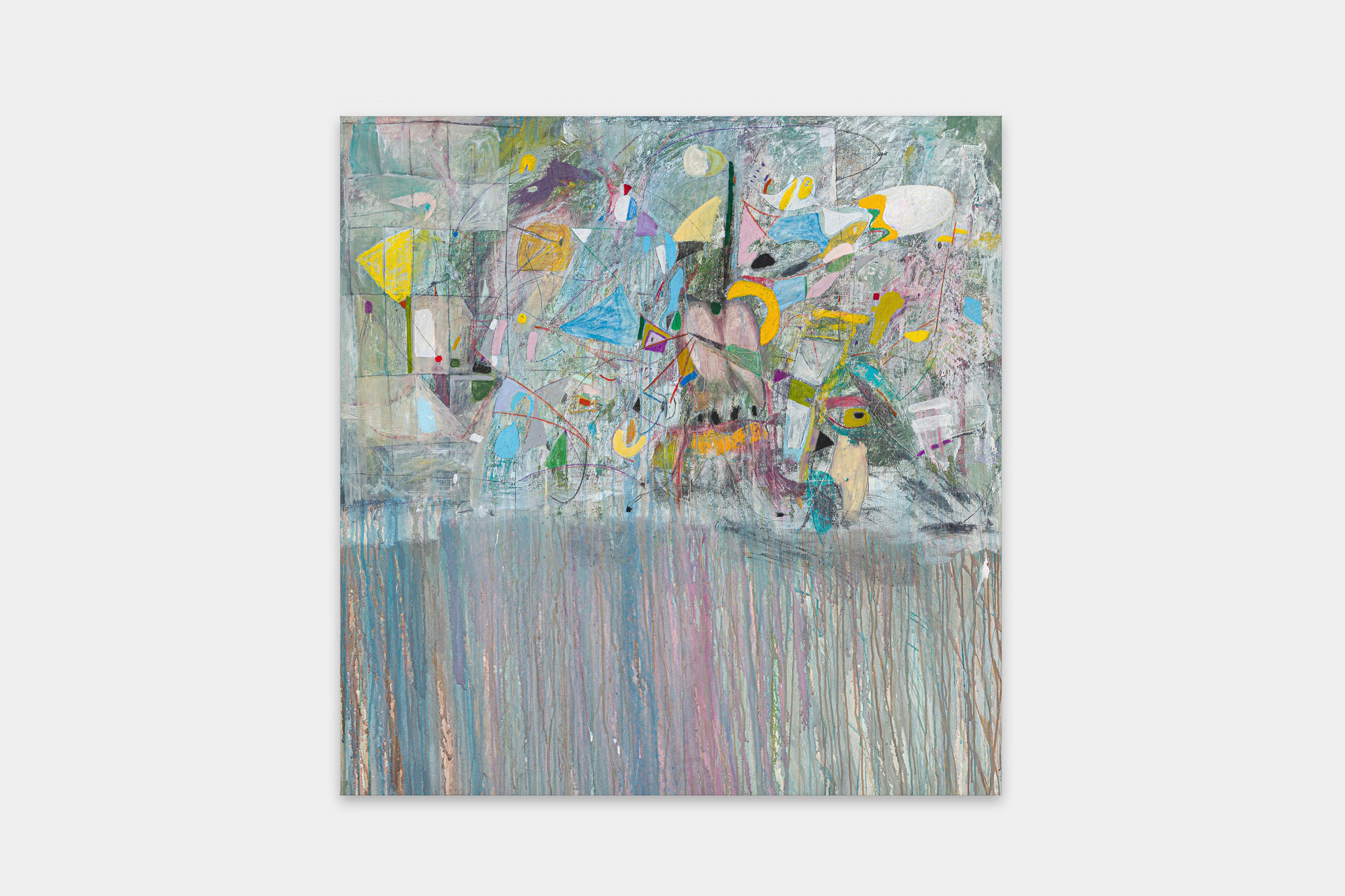
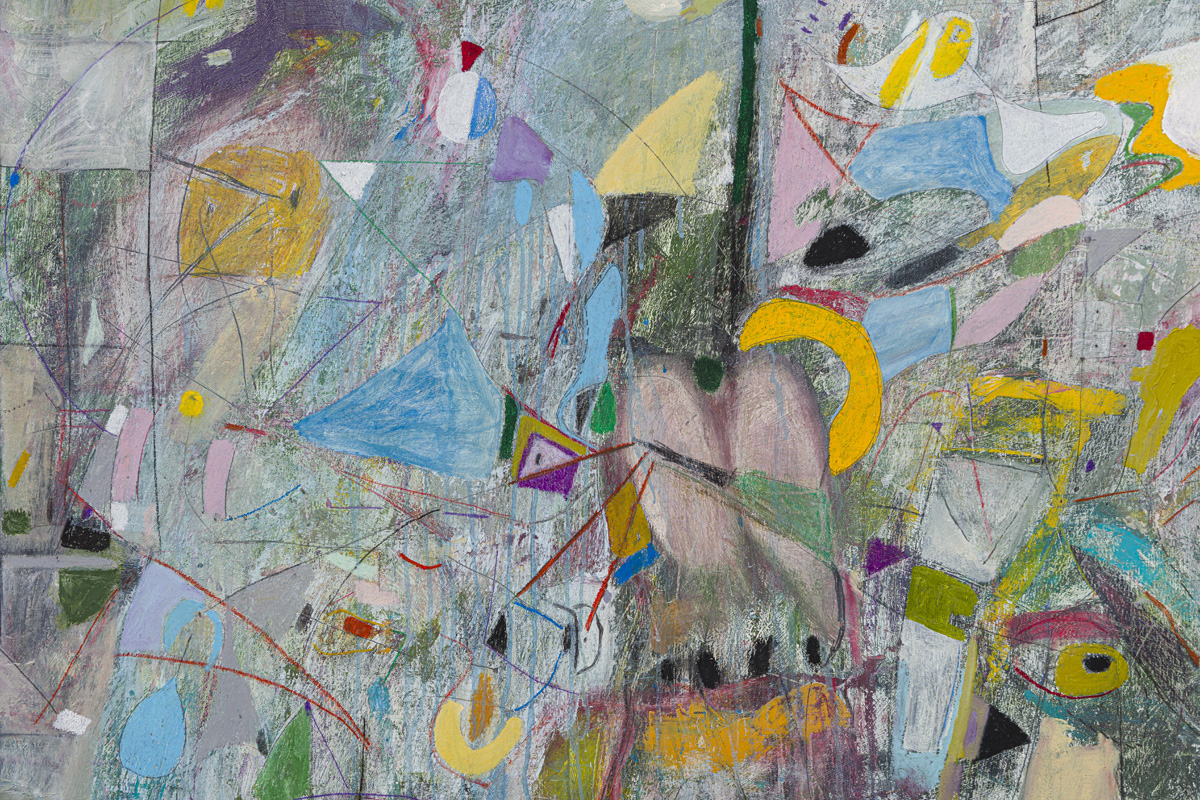
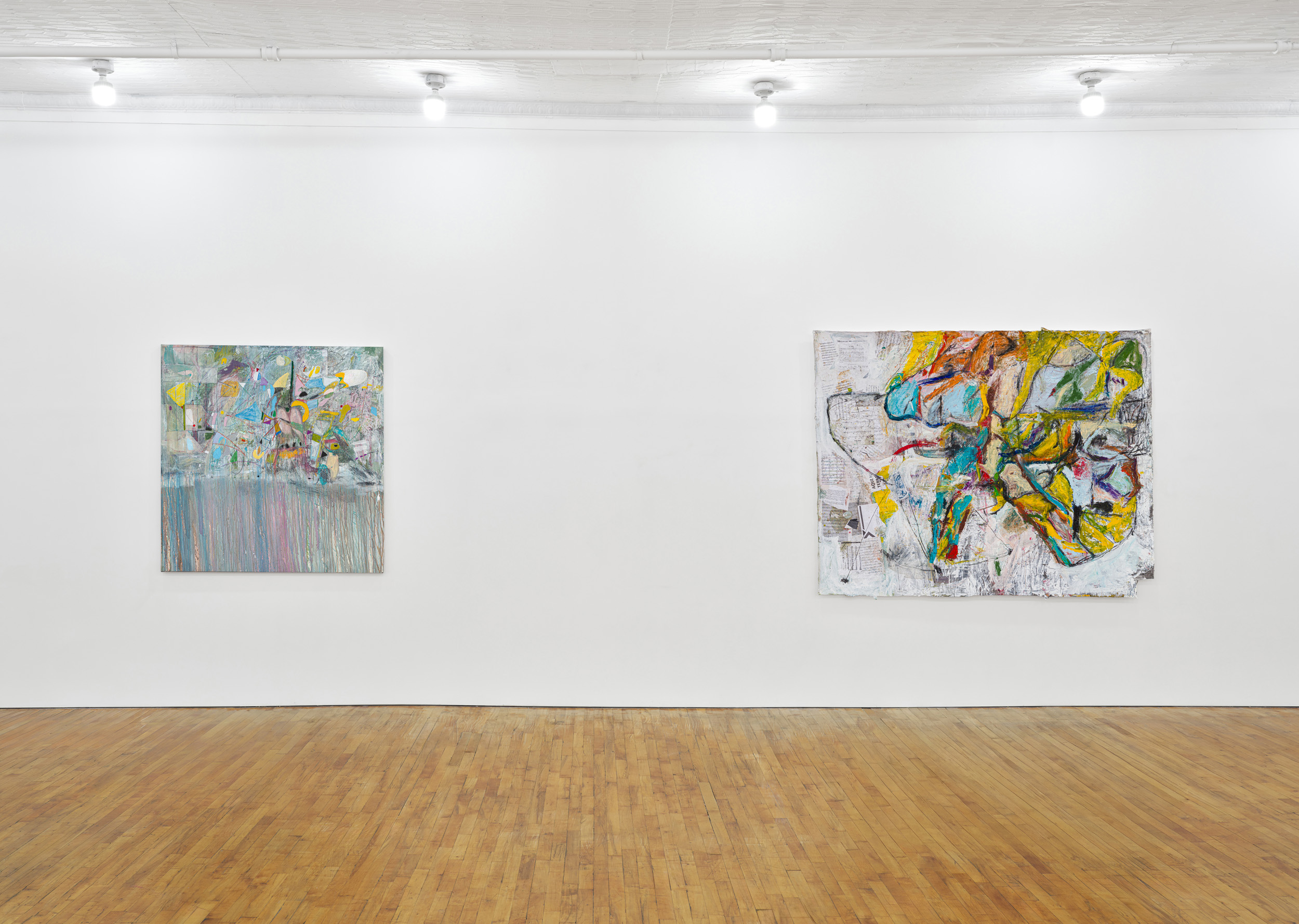
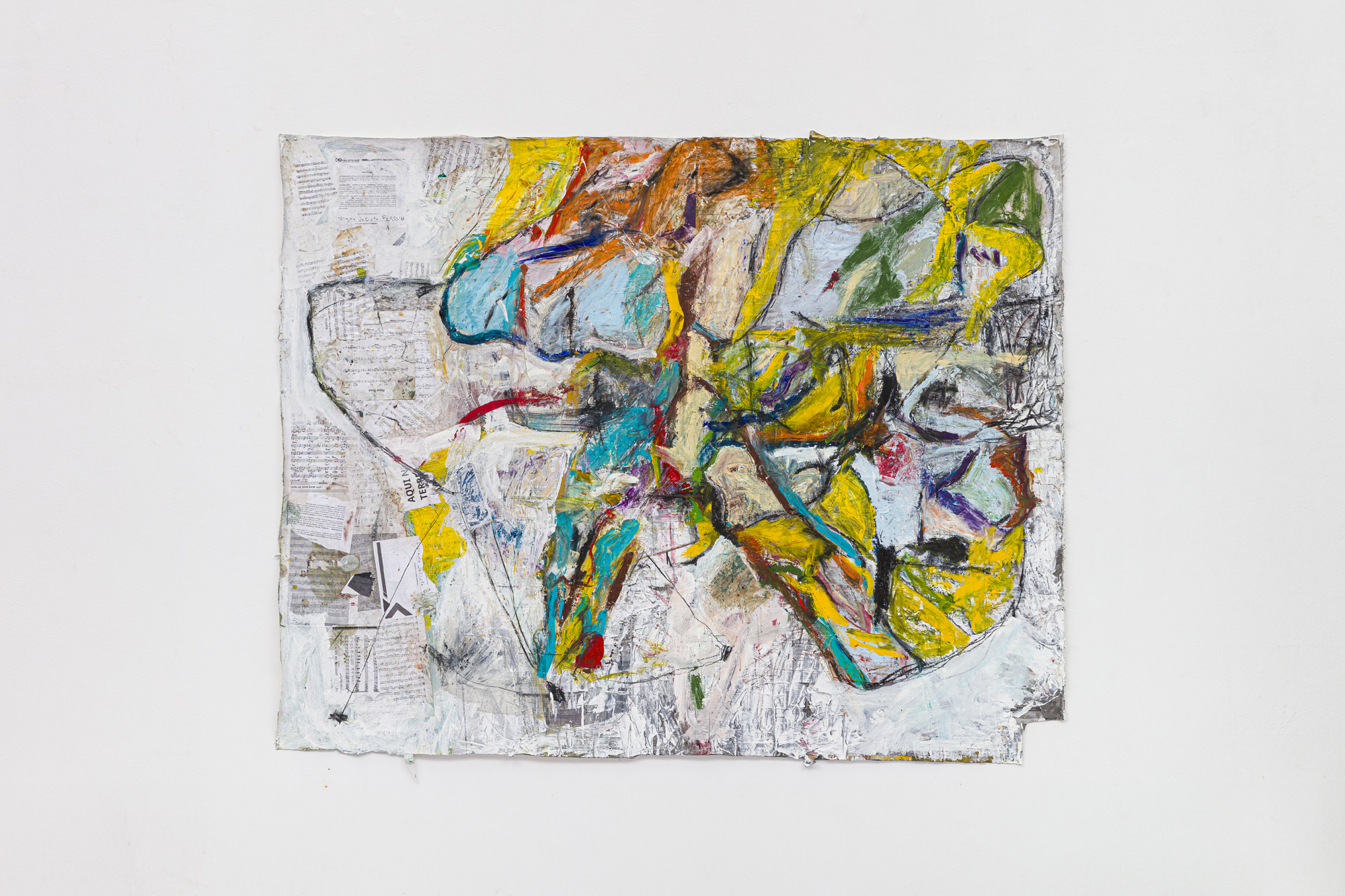
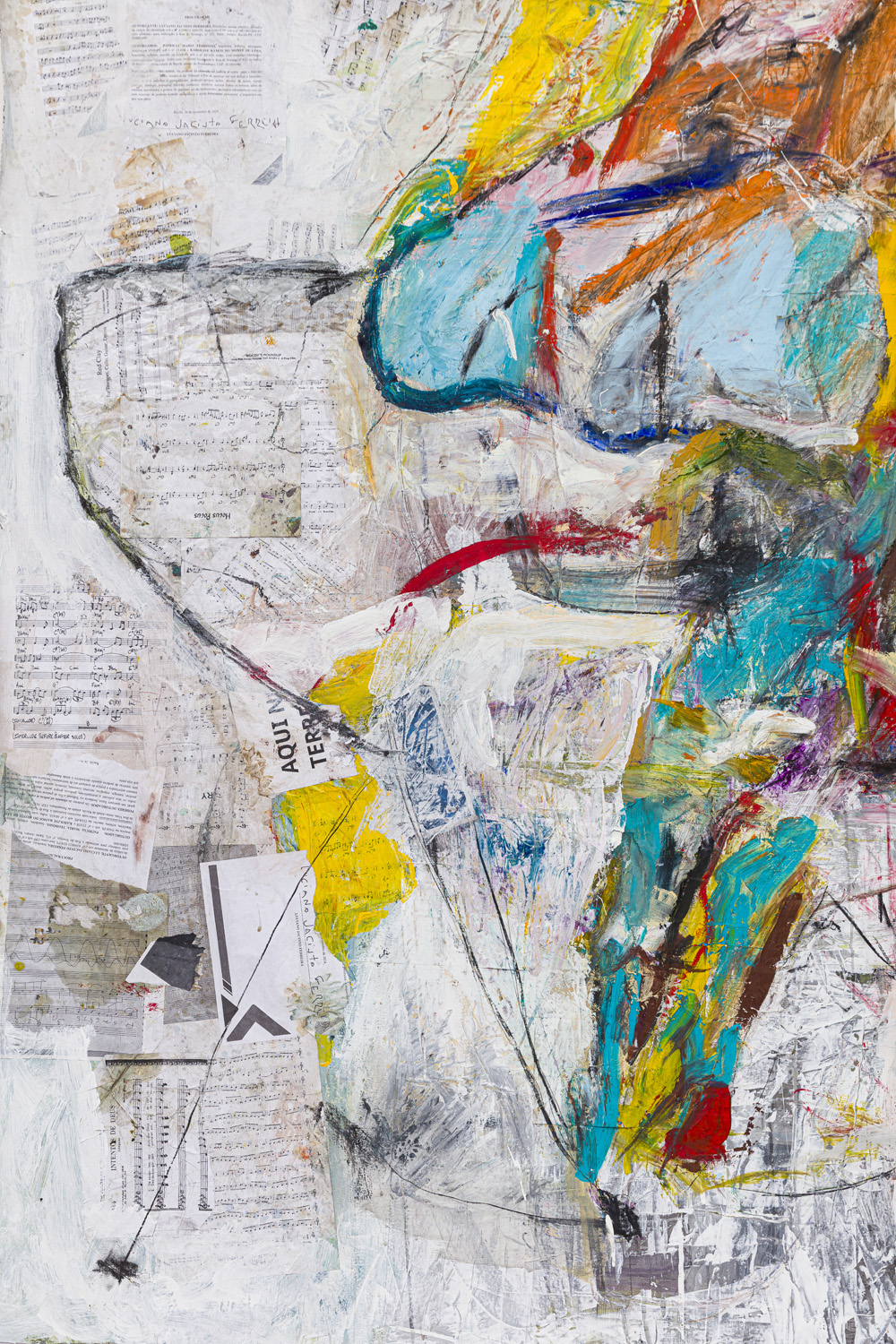
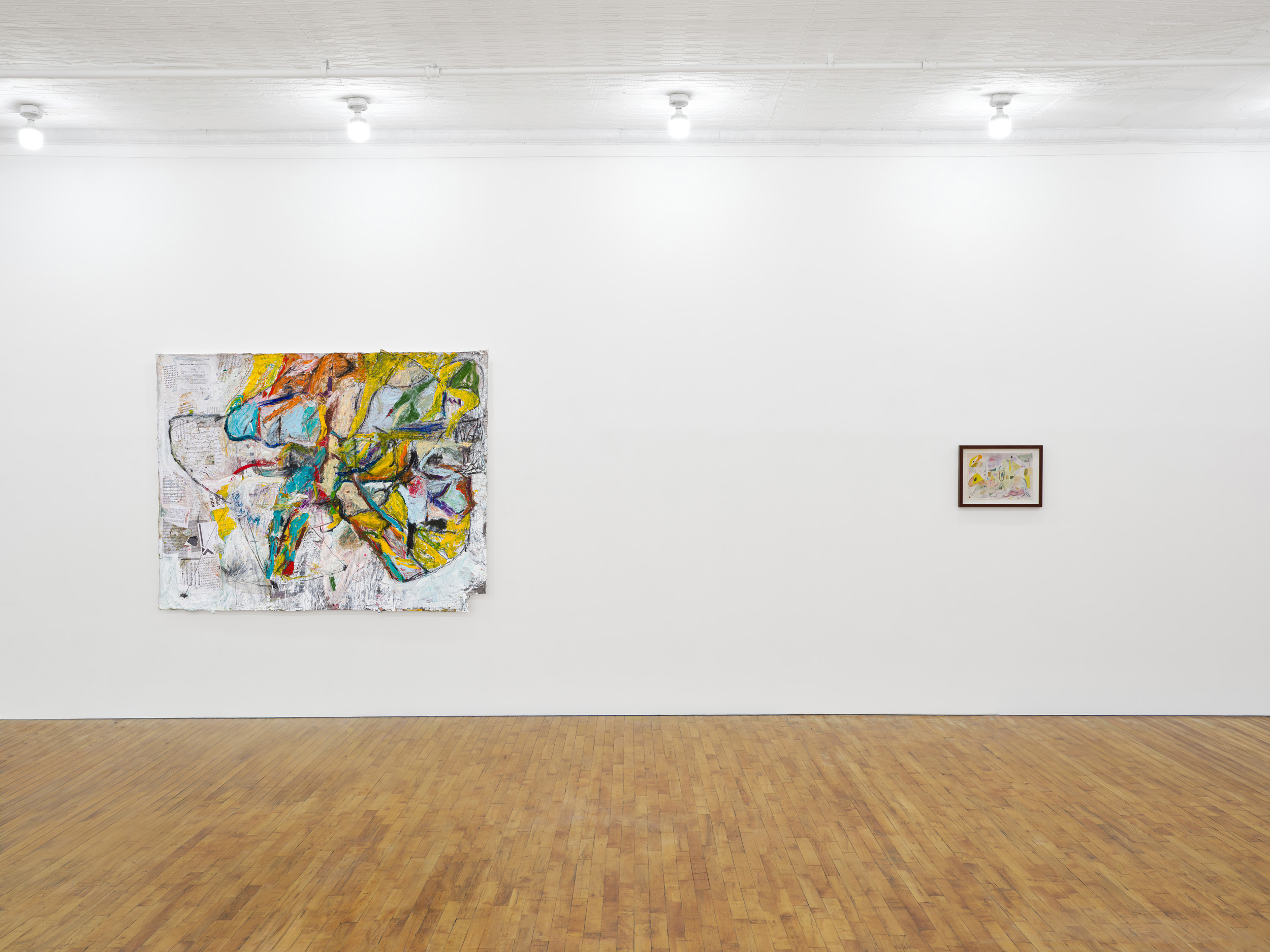
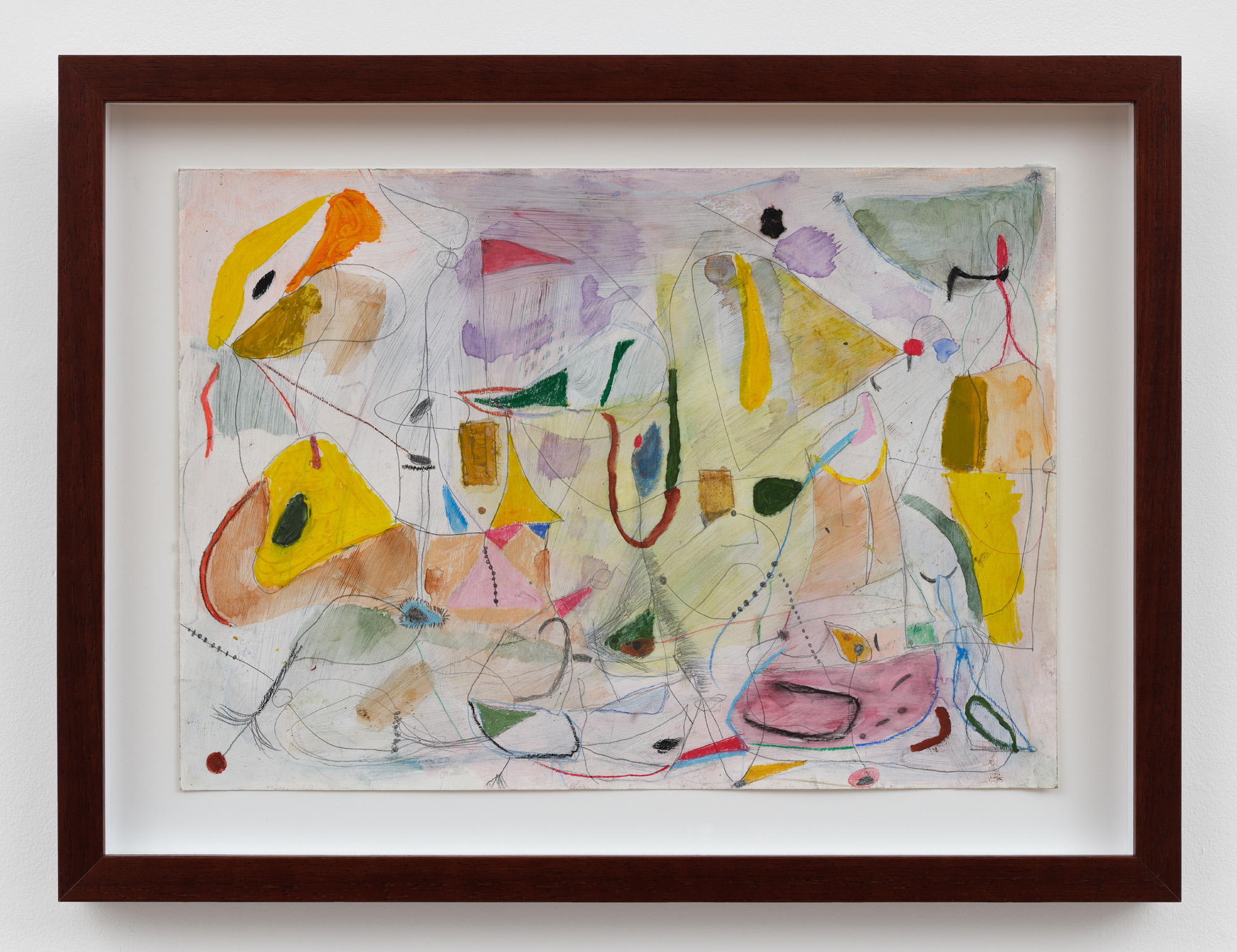
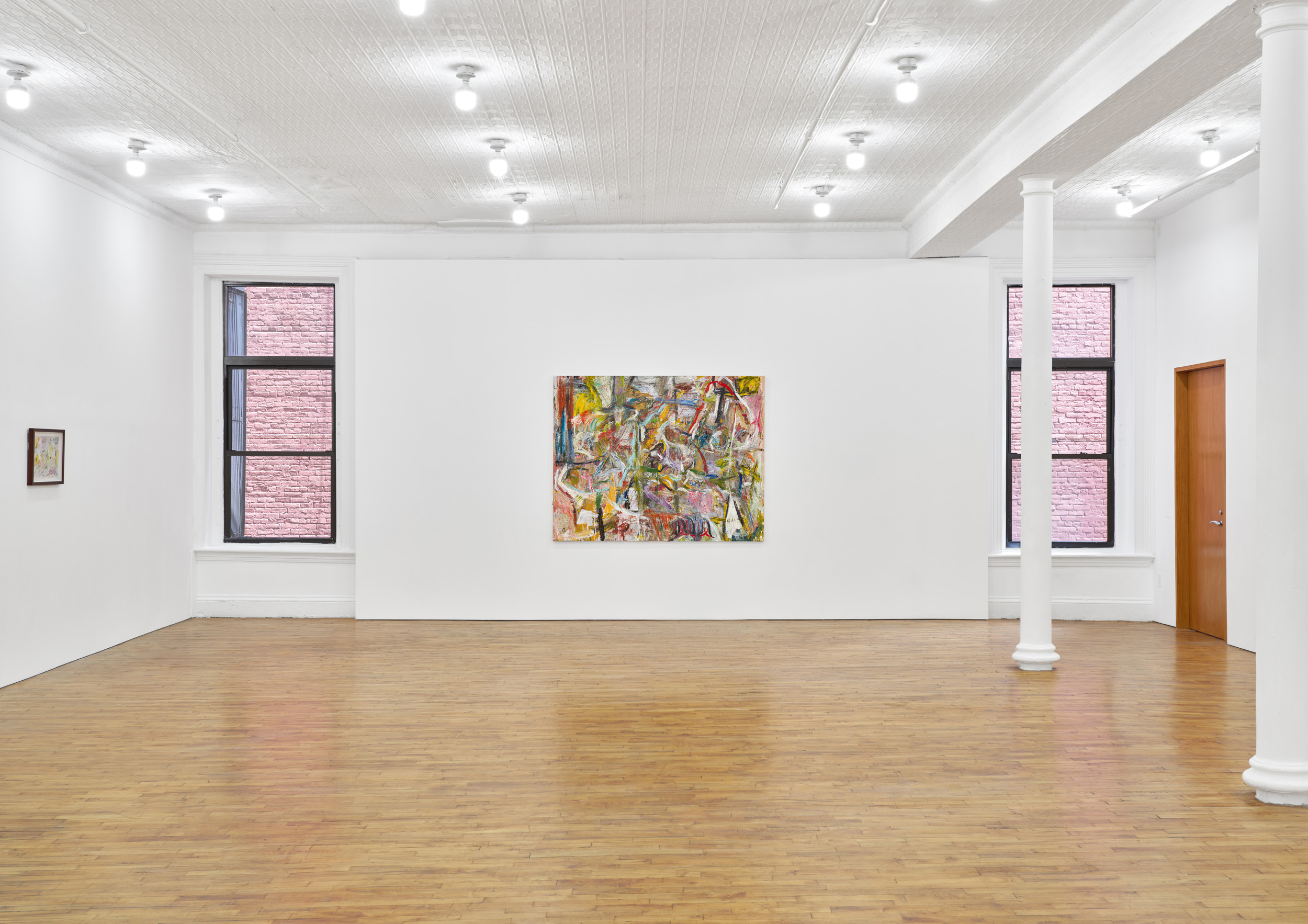
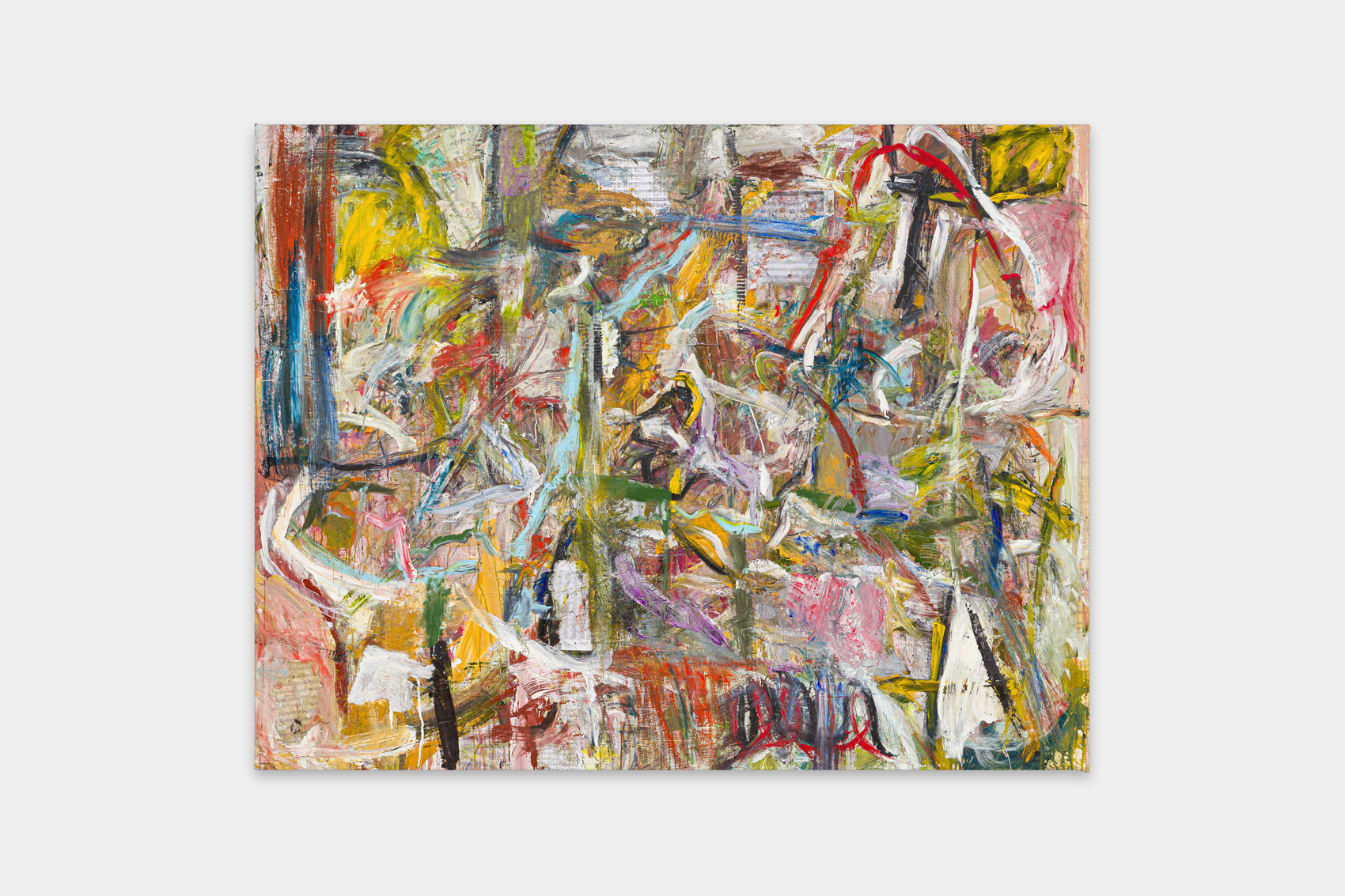
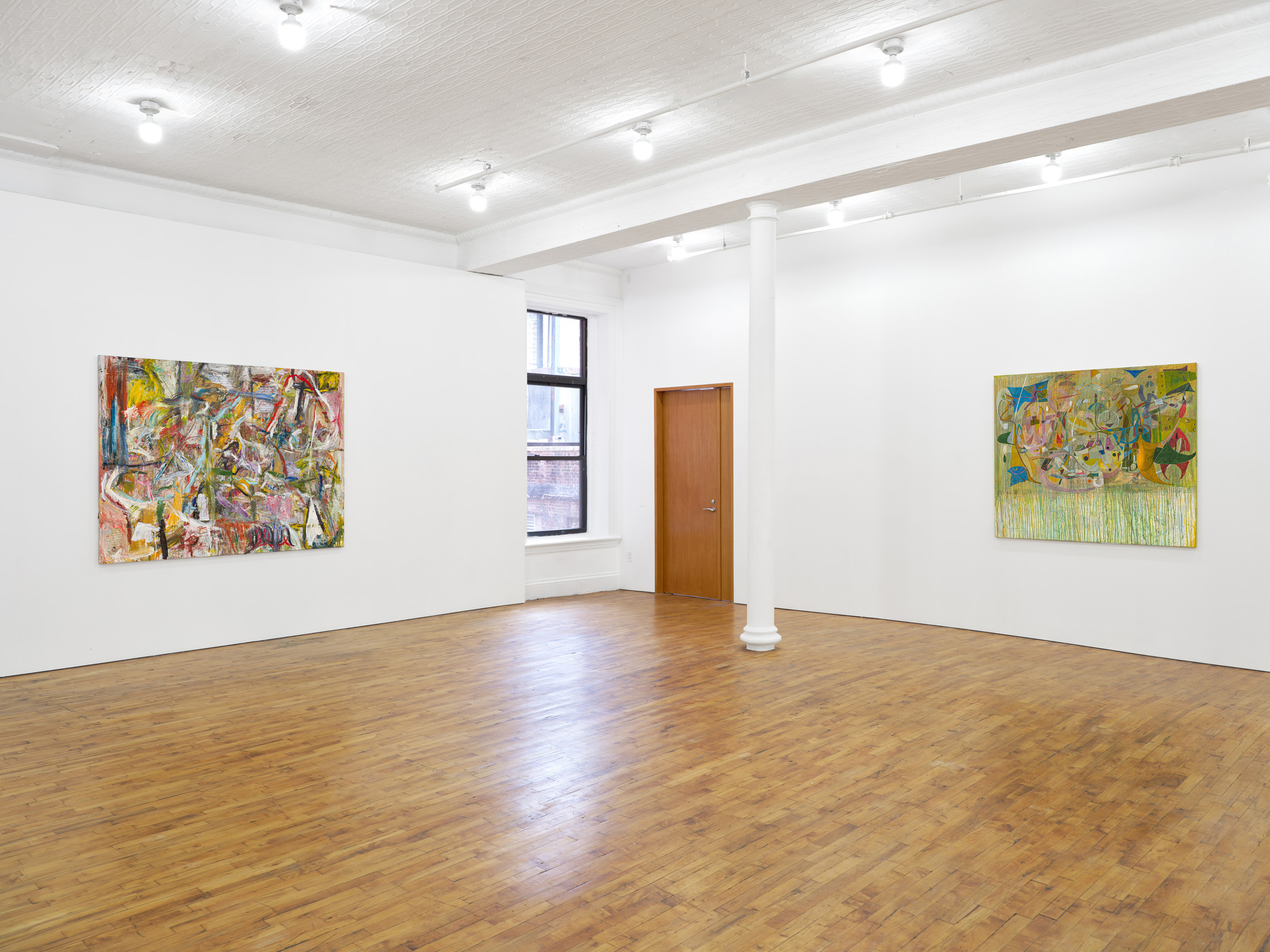
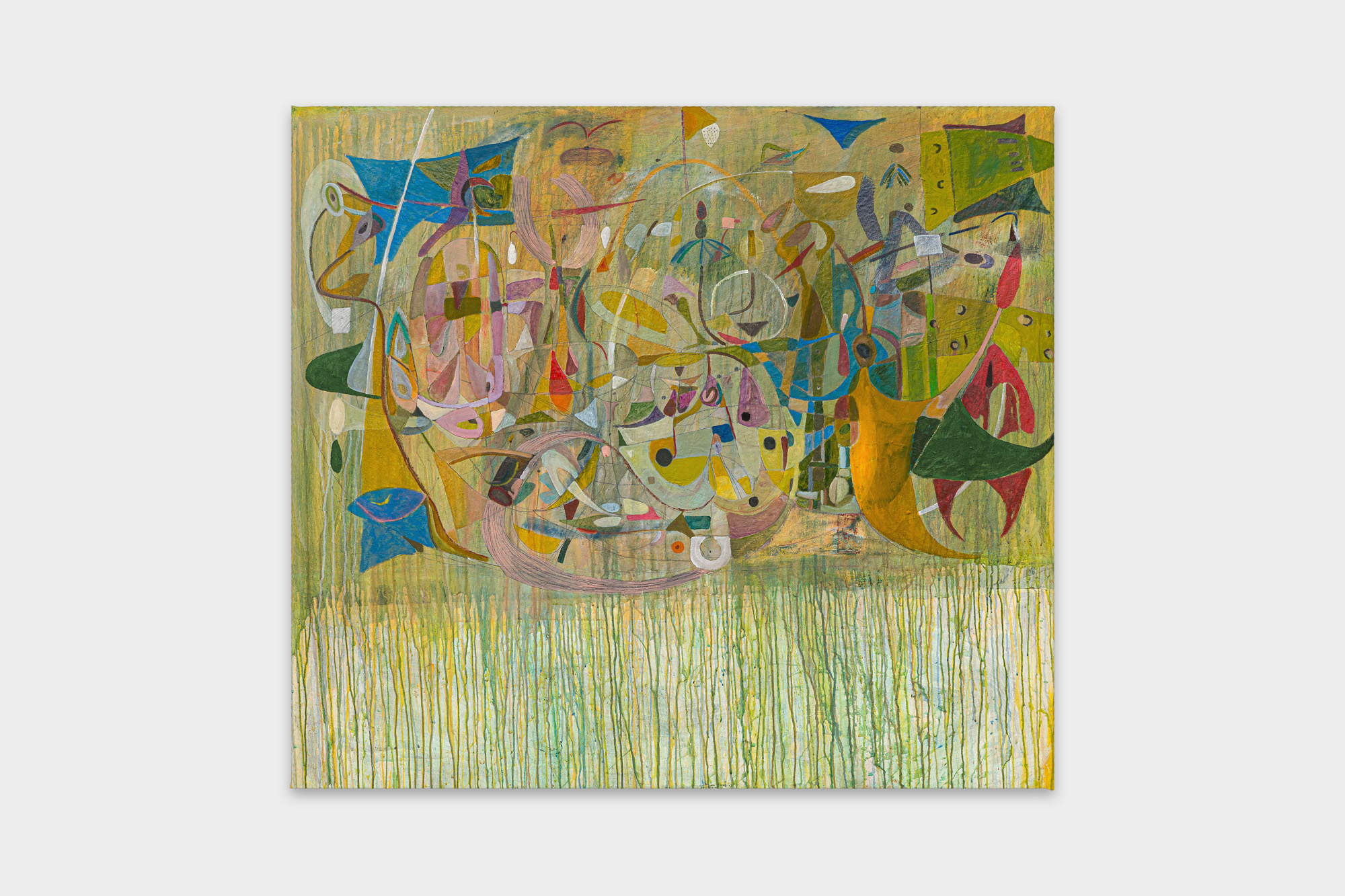
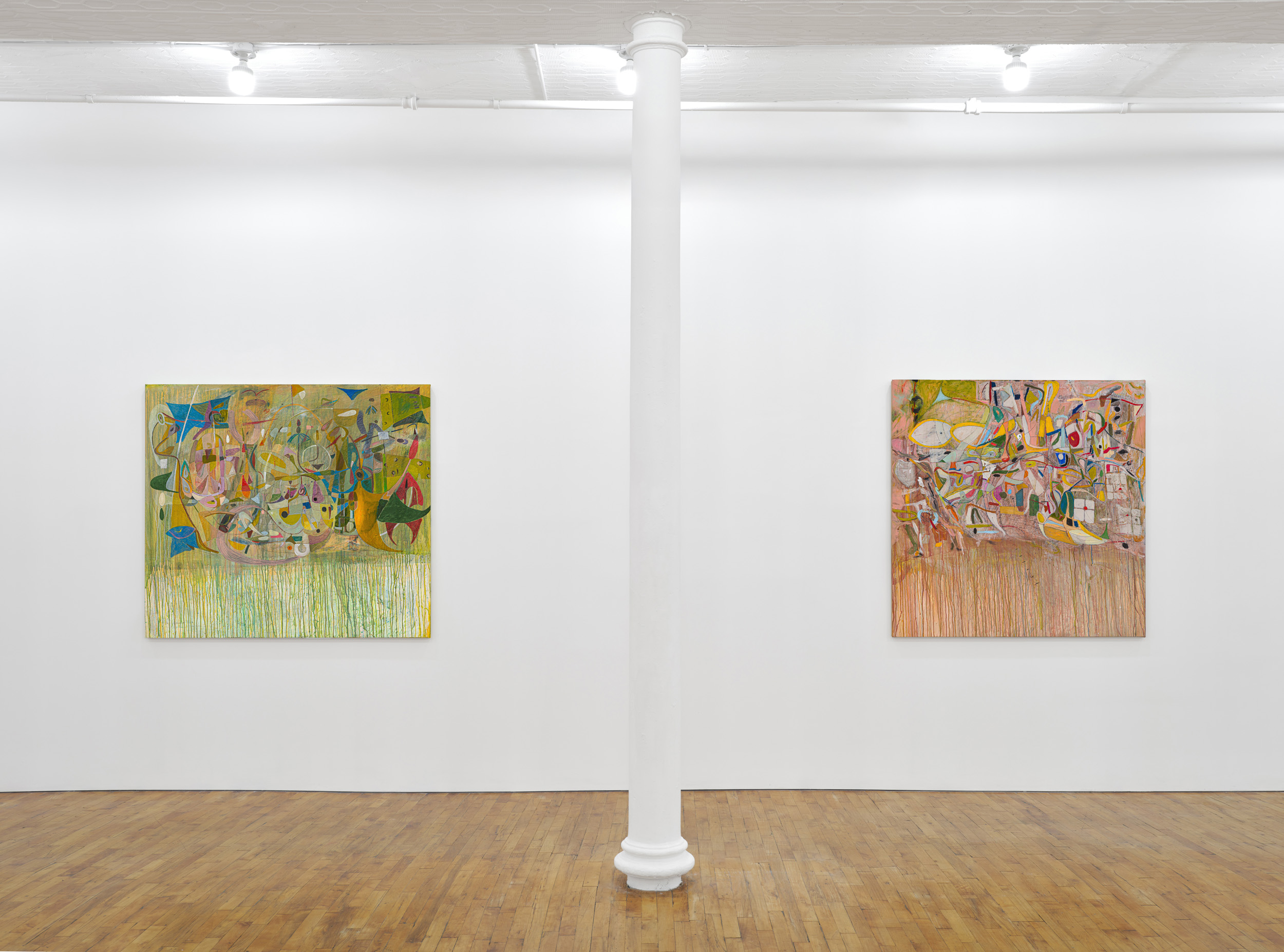
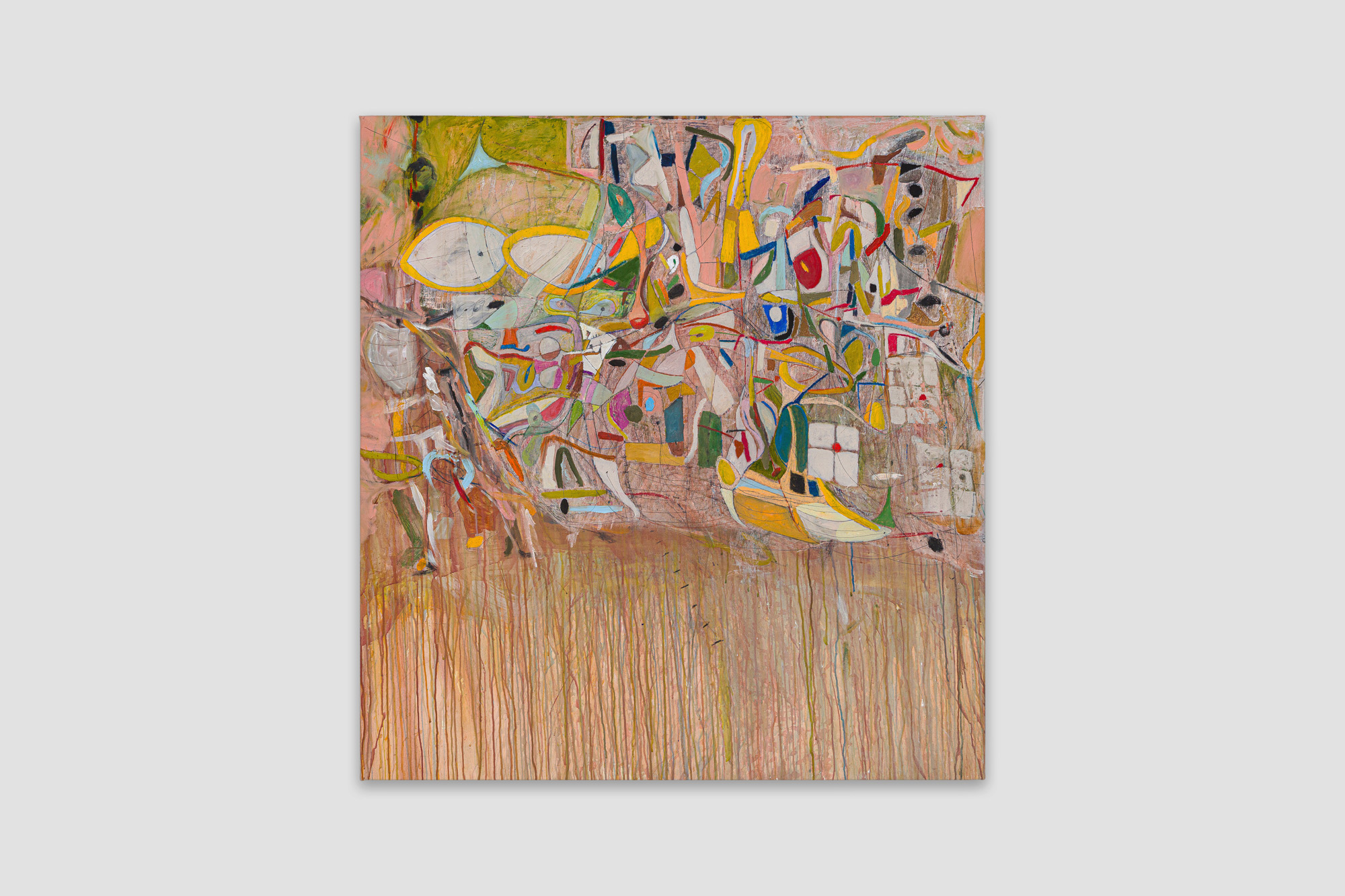
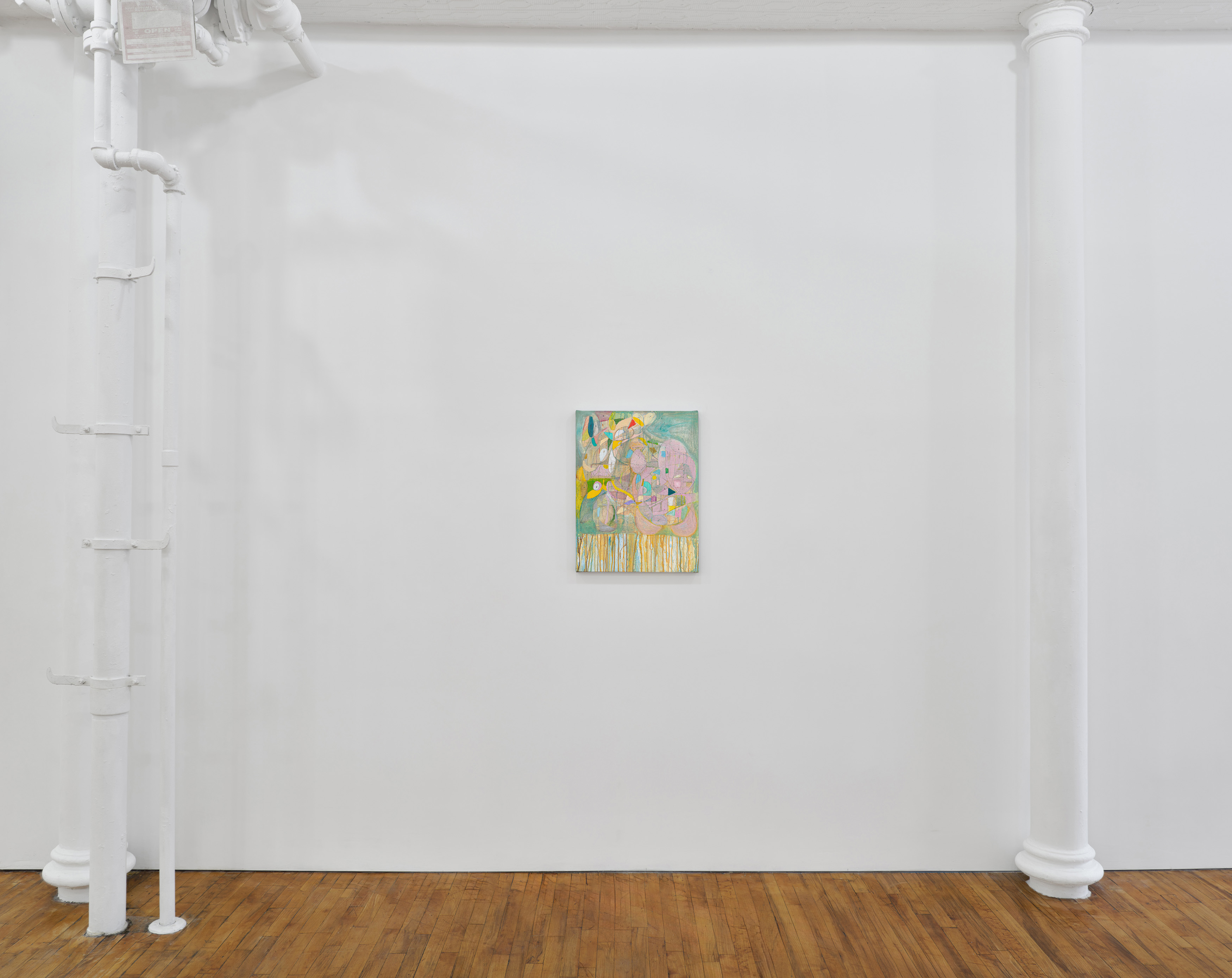
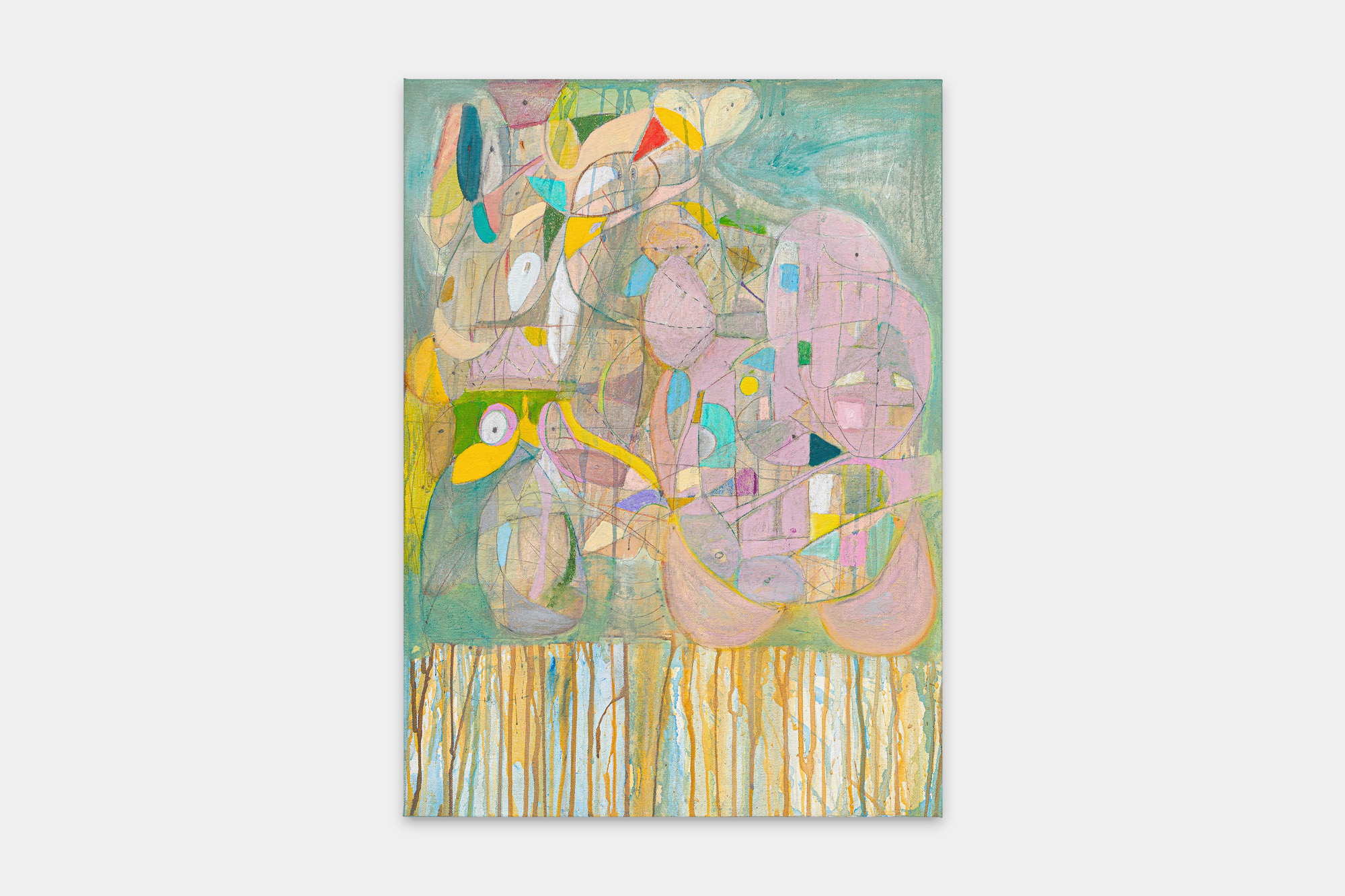
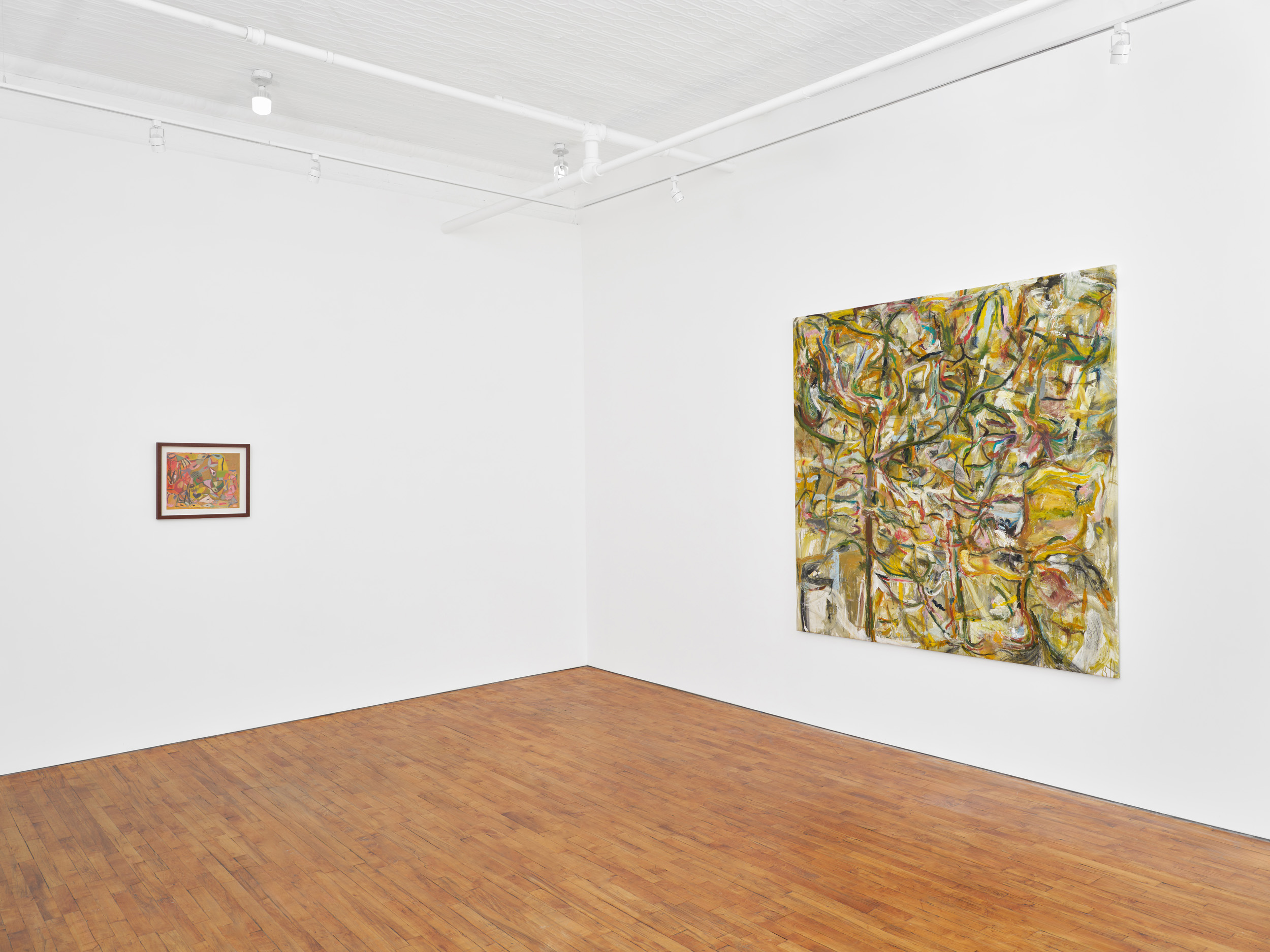
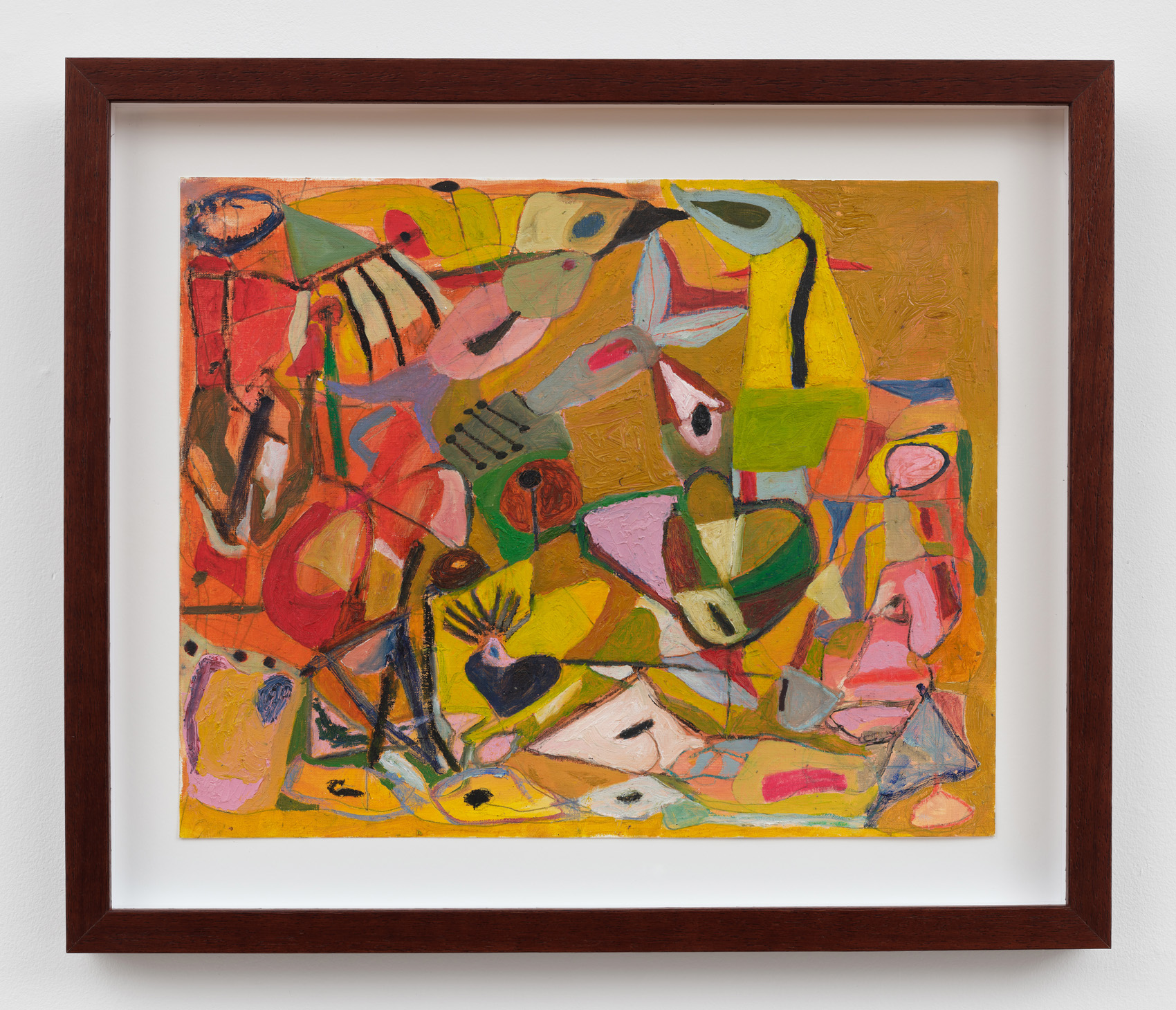
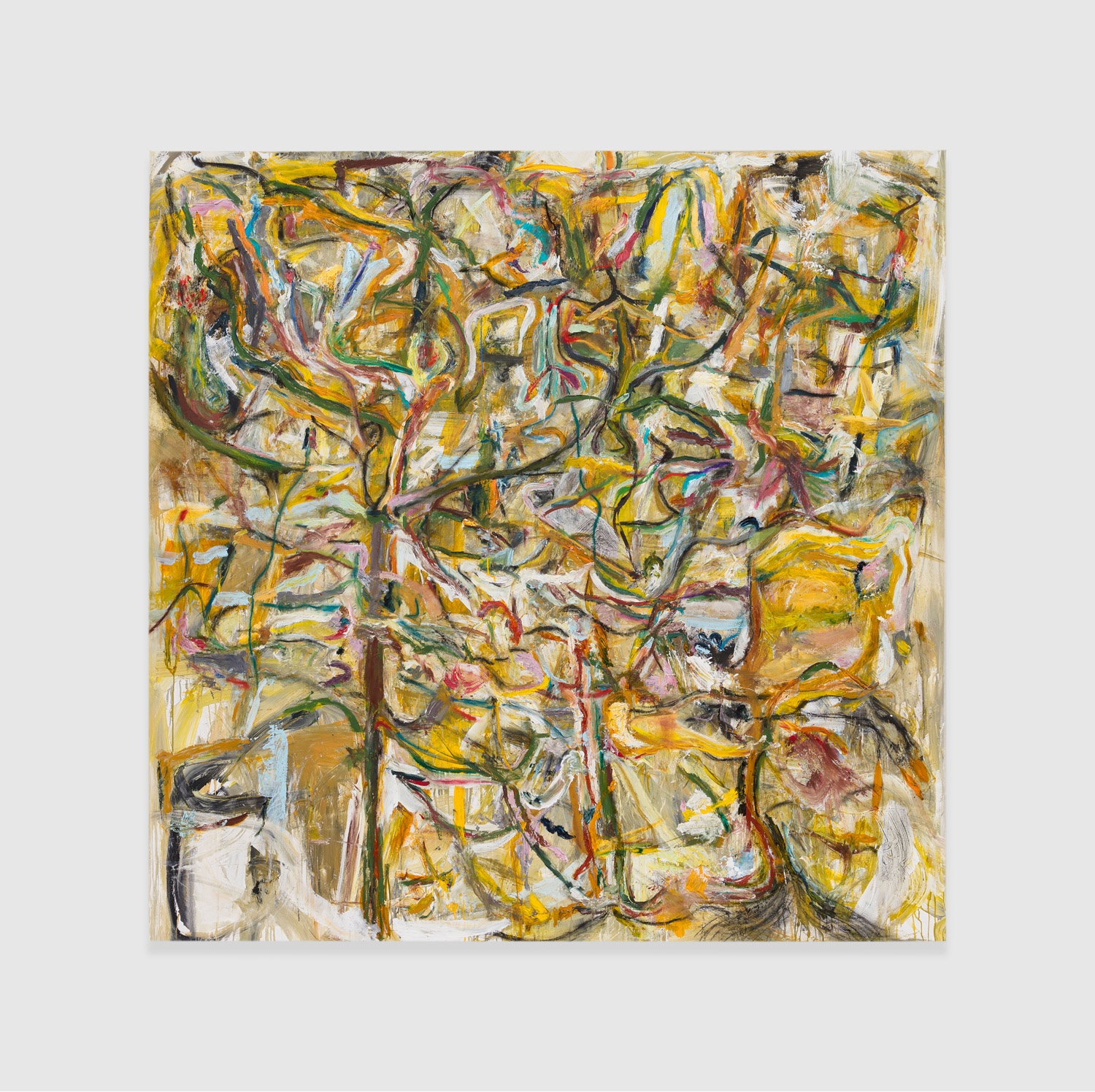
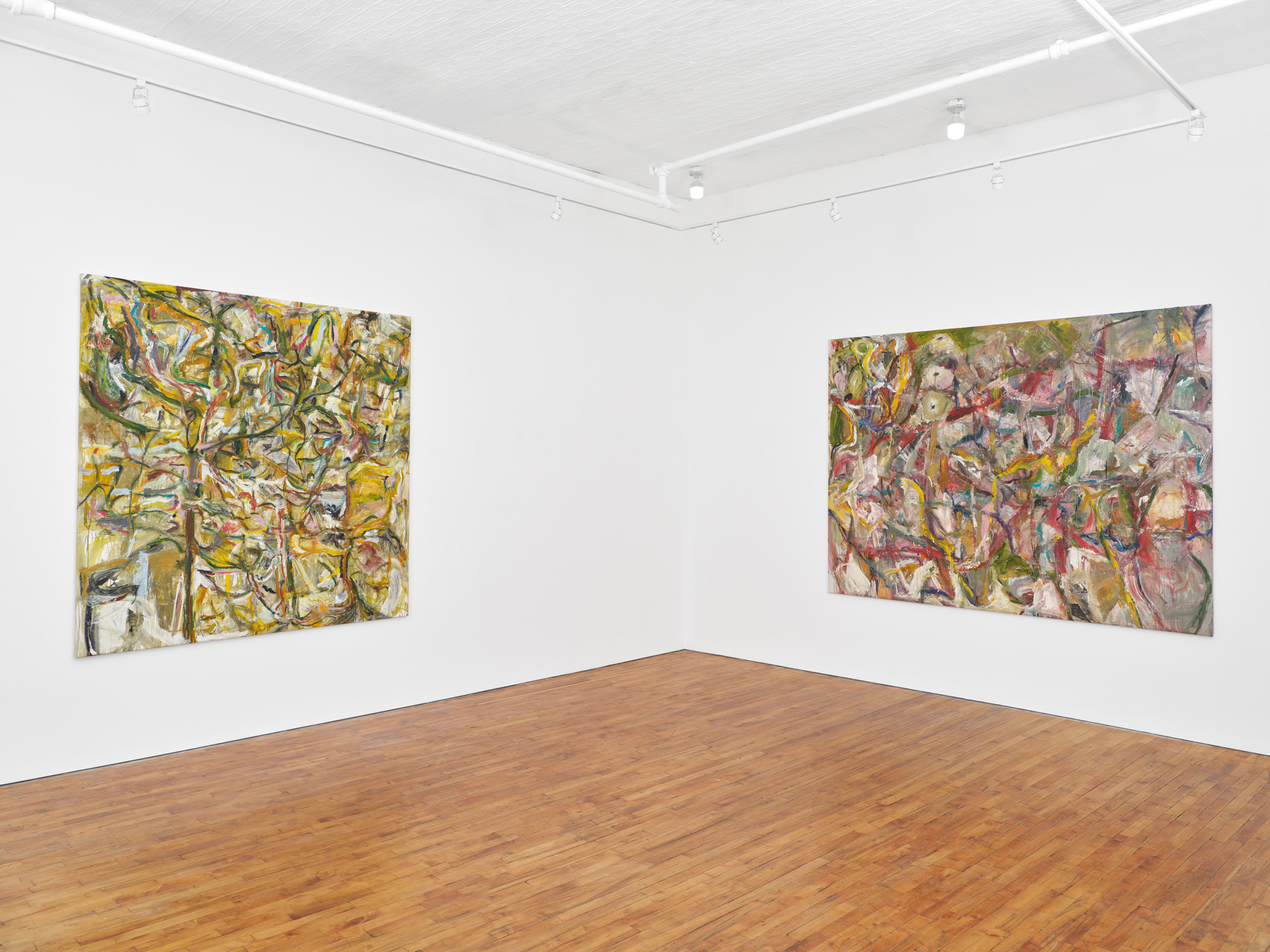
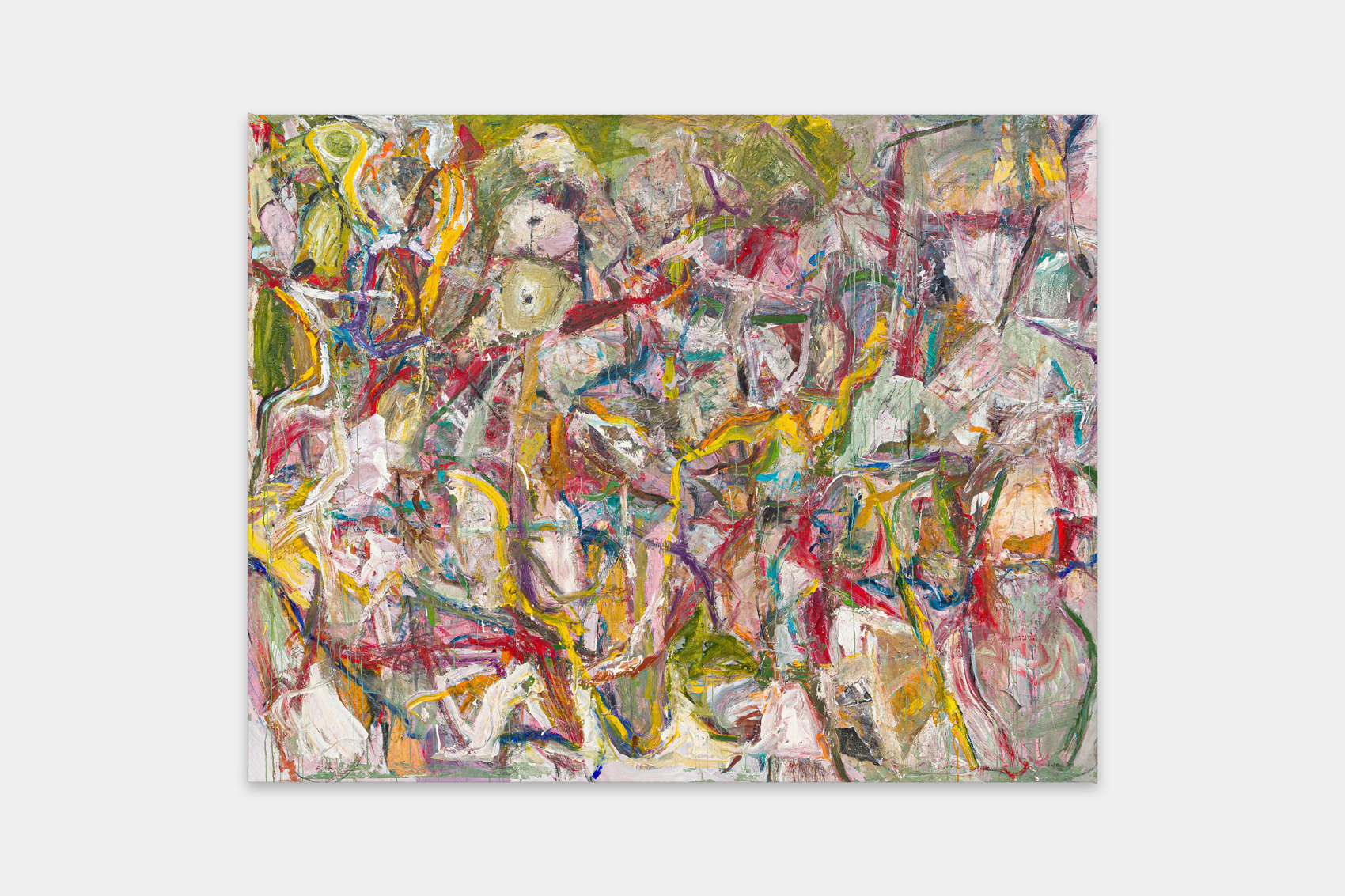
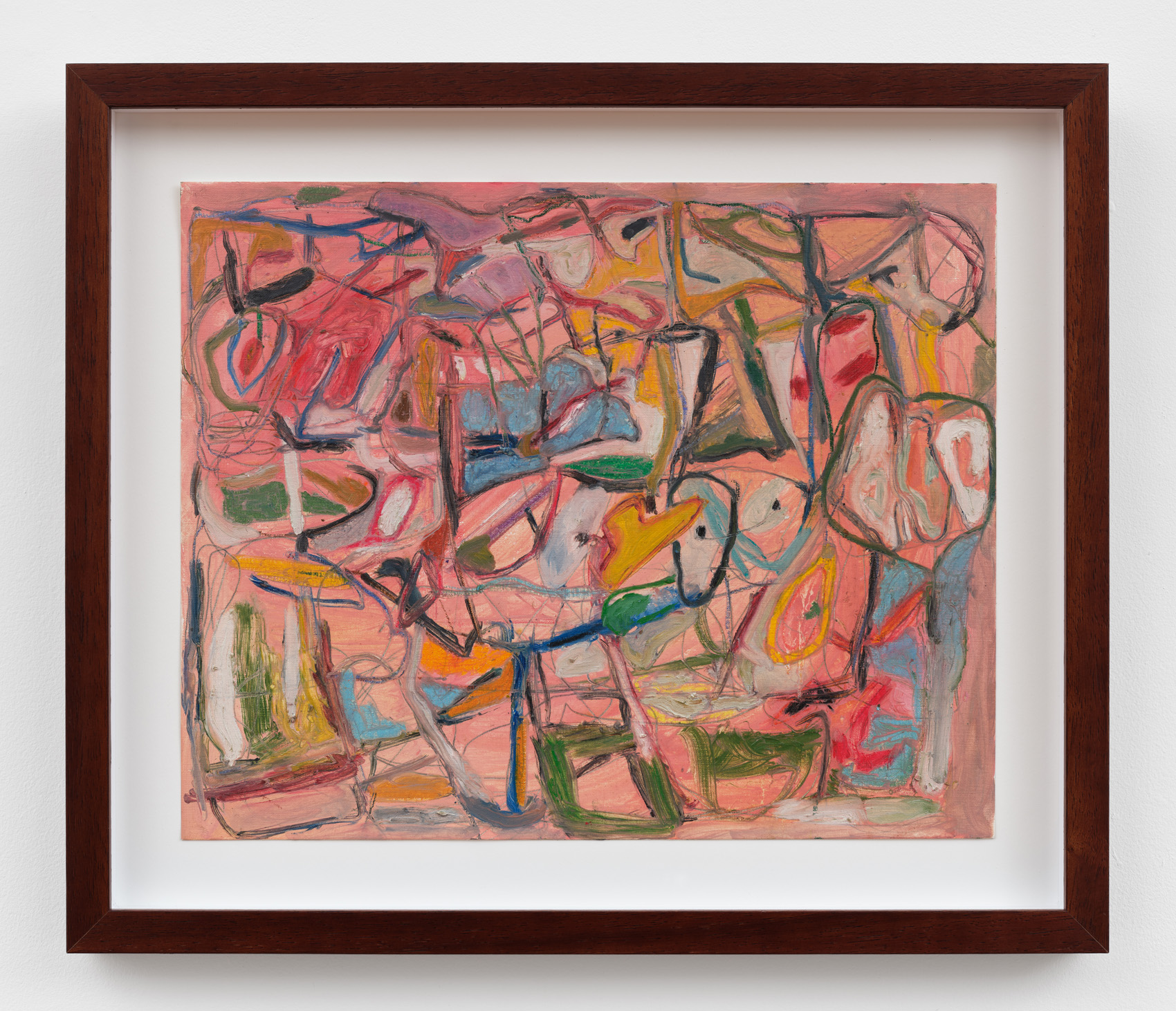
Lu Ferreira’s Tropical Nada comprises a new body of paintings elaborating Ferreira’s poignant reconfigurations of historical legacies of abstraction. Enmeshing complex notions of place with inventive uses of material, the exhibition serves as an astonishing introduction of the artist’s practice to New York. As products of idiosyncratic devices and procedures, Ferreira’s melodious works collapse distinctions between painting and free drawing, between hypnagogic association and gestural action, and between erasure and accumulation, almost as if compressing many discrete pages of a sketchbook into a single image.
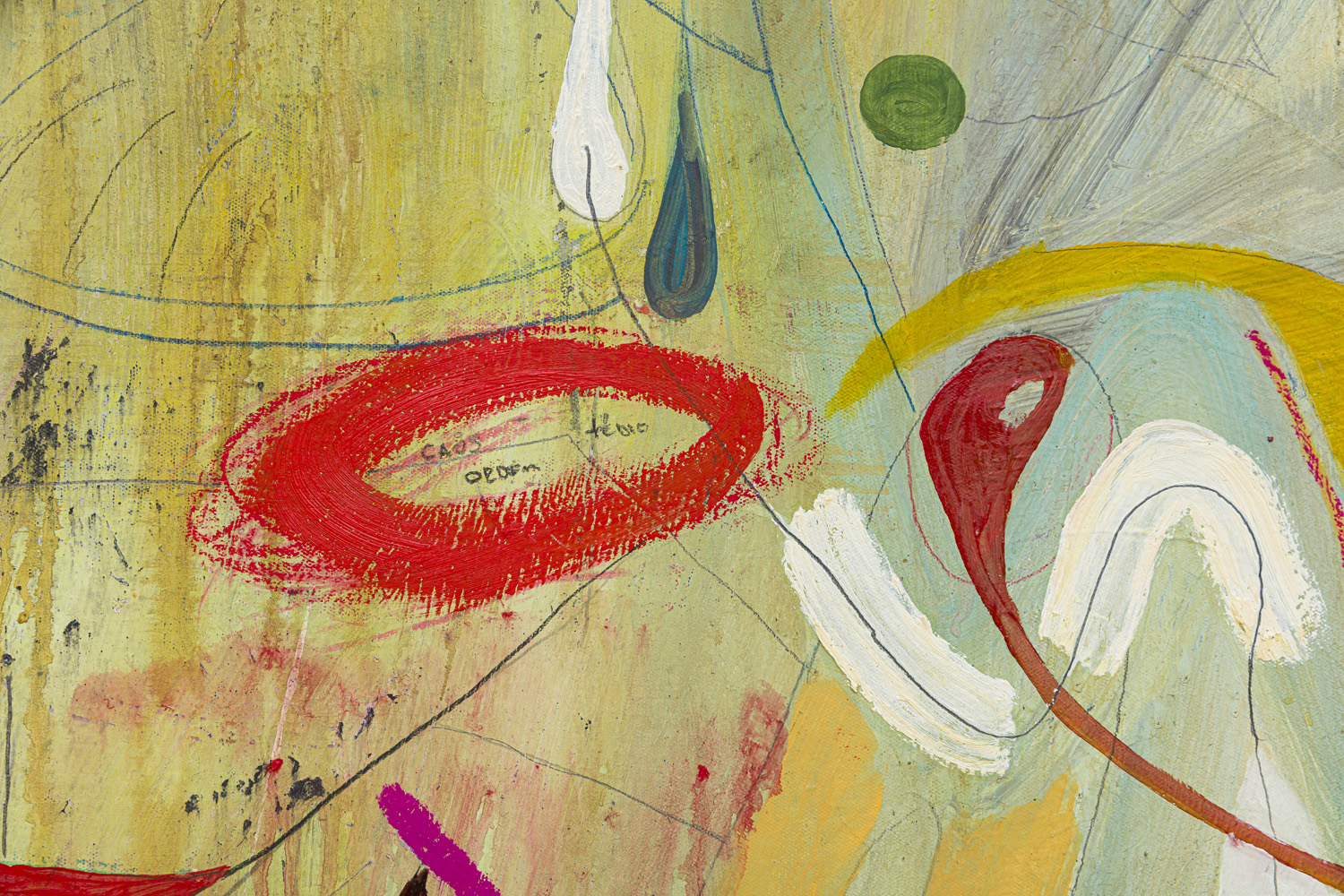
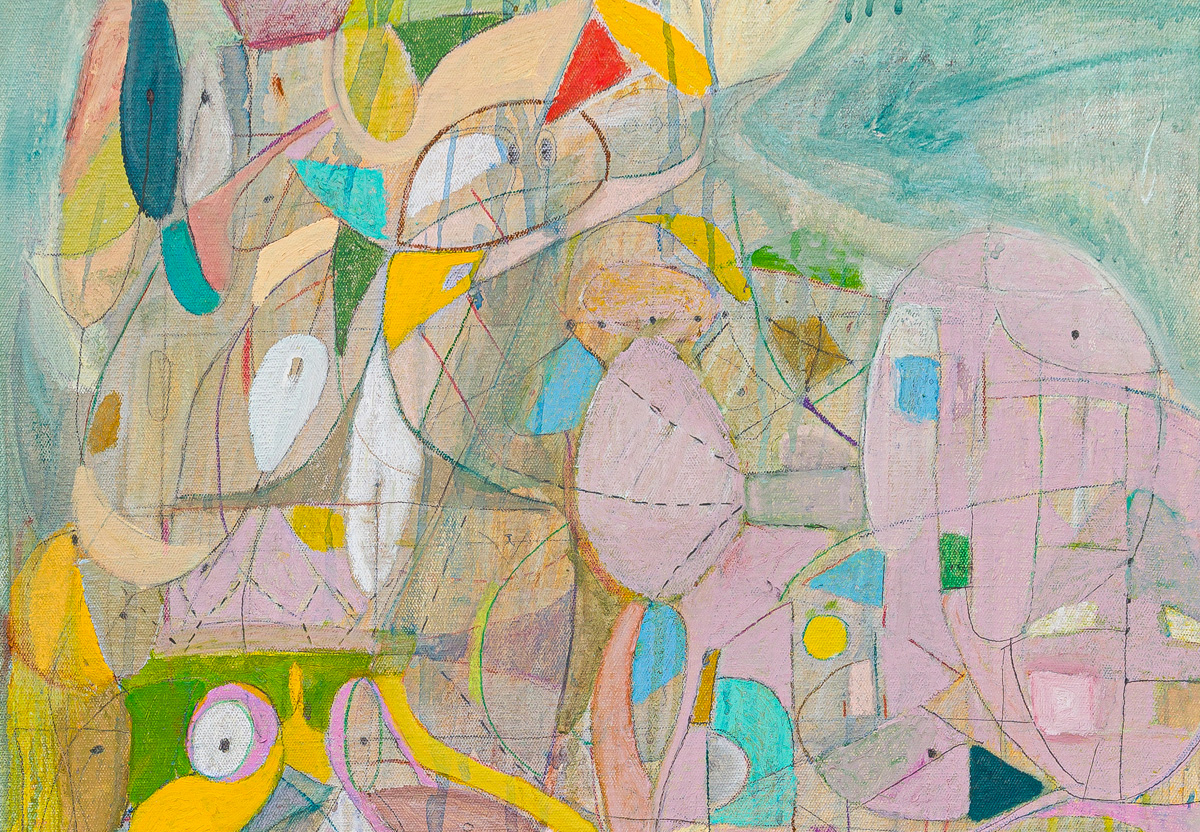
The process is primarily subtractive rather than additive: Ferreira begins by applying layers of oil paint to the canvas before removing much of the paint with water, which the artist relates to hand-washing laundry. Found objects – toothbrushes, air filters, and pieces of rubber – take on the role of conventional painting tools, while others – bushings, steel brushes, brooms – are deployed to treat the canvas between “washings,” exposing concealed layers beneath the surface. More recently, the artist has begun retains the drips and other incidental marks left by the washing process, often legible across the bottom half of the canvas. Demystifying or accentuating his own method of painting, Ferreira draws the paintings into closer conversation with a sense of indexicality and vitalism inherent to lineages of Abstract Expressionism.
Some will be reminded of Joan Miró’s self-contained forms, but Arshile Gorky, whose own work anticipated AbEx, may be the more attuned point of reference; like Gorky’s, Ferreira’s compositions incite a harmonious play of movement, space, and form, generating a complex and highly ambiguous spatial field. Other names form a constellation of influences: Willem de Kooning and Alexander Calder, the Brazilian modernist Abraham Palatinik. Yet Ferreria’s critical recontextualization of these sources situates them in a broader field; unlike the utopian gestures of mid-century abstraction, for instance, Ferreira’s allow for a sense of equivocality and for the textures of everyday life to come into view. One intuits an analogue between this form of historical excavation and the process by which the artist creates his works. in the simultaneous construction and deconstruction of the painterly surface, the residue of action becomes an ambient trace of both individual and collective memory.
As such, it makes sense that Ferreira sees his work as driven by music, rather than by “the image.” Ferreria’s “paintings listen as if they were composing,” curator Ariana Nuala notes. “Jazz, dub, frevo... function as gears of thought, mobilizing the logic of rhythm, interruption, and drift...The pictorial gesture responds to these sounds: the brushstroke follows the breath, the dripping of the paint settles like agogô in counter- tempo.” Drawing upon the sonorous dimensions of life in Brazil, it might be said that the inherent musicality of these works recapitulates Ferreira’s lifeworld without valorizing “Brazilian-ness” categorically. Instead, forms of music forged across the Black diaspora operate as both compositional method and metaphor – a structuring force that allows Ferreira to navigate cultural specificity without succumbing to essentialism.
In this sense, Tropical Nada is not only an evocative turn of phrase, but also a paradigm through which to view the work. The no-place of Tropicália – a midcentury convergence of vanguard and popular cultures with which Brazil is still often identified – is negated by the actuality of lived experience; the export of identity is complicated by the introduction of latent, subterranean forms of knowledge. Ferreira’s practice navigates such tensions not by resolving them, but by making them formally and materially embodied within the work. Here, “nada” is not a lack, but a refusal: a turning away from the exoticizing clichés projected onto the postcolonial domain, and toward a deeper engagement with the affective resonances of place. Ferreira’s canvases do not so much represent the world as attenuate themselves to its rhythms, its abrasions, its withholding of coherence. In doing so, they model an abstraction unmoored from pure formalism or ideological purity, animated instead by friction, absorption, and the reverberating afterimages of a not-so-distant past.